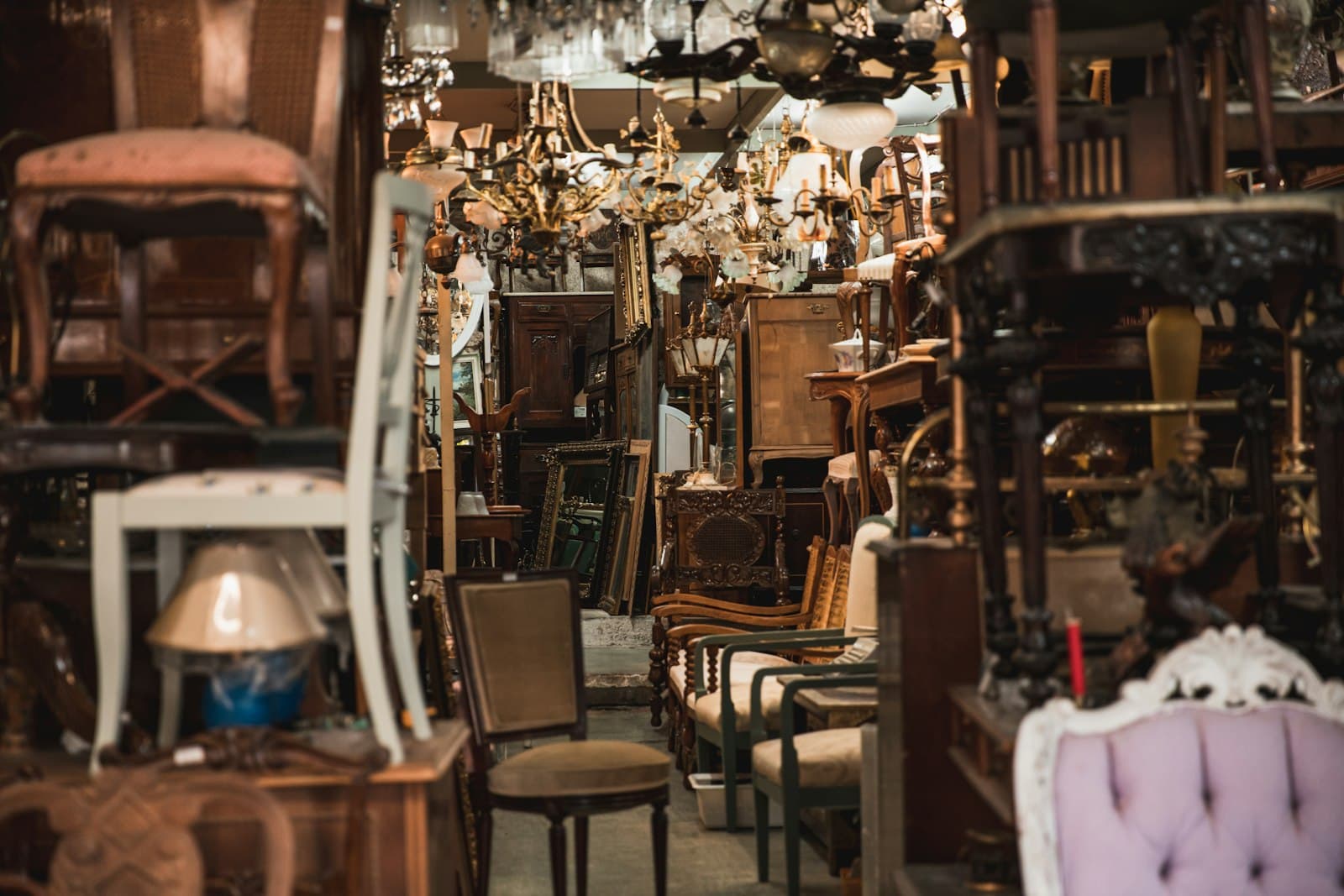
The free options (and their catch)
Housing Works picks up furniture free in most of Manhattan and Brooklyn; The Salvation Army and Goodwill schedule pickups in parts of the city; Big Reuse and local Buy Nothing groups absorb a lot too. The catch is twofold: slots book one to three weeks out — useless against a lease deadline — and every charity reserves the right to refuse items at the door. Condition standards are higher than donors expect: they're selling this furniture, so worn upholstery, pet odors, scratched veneer, or any mattress usually means a no. Photograph honestly when booking or the truck leaves without your couch and your timeline is blown.
What charities will and won't take
Reliably accepted: clean sofas and chairs, dressers, tables, bookcases, working lamps, dishes and kitchenware, framed art. Almost universally refused: mattresses and box springs, sleeper sofas (weight), cribs and car seats (liability), large appliances, anything damaged, stained, or disassembled. Electronics are hit-or-miss — e-waste rules push charities to decline older items. The pattern: if you'd buy it secondhand at the price they'd list, they'll take it. If you're donating it because disposal is annoying, they know.
When paid donation hauling is worth it
Paid hauling exists for exactly the gaps the free options leave: deadlines (moving Saturday, charity slot in two weeks), volume (a whole apartment, which no charity pickup handles in one visit), walk-ups (many charity trucks are curbside-only — they won't come up four flights), and mixed loads where some items are donatable and some are junk. One crew sorts it: donatables to charity partners with receipts back to you, the rest disposed of legally. It costs money the charity pickup doesn't, but it happens on your date, from inside your apartment, in one trip.
Get the receipt, and make it real
Donation receipts are worth actual tax money, but only if they're documented: an itemized list with fair-market values beats a blank signed slip. Photograph items before pickup, keep the receipt with the year's tax papers, and for estates, route receipts to the executor — they belong to the estate's records. For high-value donations (a $4,000 designer sofa), the IRS has appraisal thresholds; when in doubt, your accountant would rather see too much documentation than too little.